

EV Charger Installations in North London: Safe, Smart, and Fully Compliant
April 18, 2026
Home EV Charger Installation in Enfield: Safe, Compliant and Hassle‑Free
April 22, 2026EV Charger Installations in North London: Safe, Smart and Fully Compliant
EV Charger Installations in North London: Safe, Smart and Fully Compliant
Most EV charger installations in North London miss key safety steps, putting homes and businesses at risk. You need more than just a quick fit; compliance with BS 7671 Section 722 and proper load management are crucial. In this post, you’ll learn how Elex UK Ltd ensures every installation is safe, smart and fully compliant—plus how we handle everything from DNO notifications to OZEV grant support.
Understanding EV Charger Installations

Electric vehicle (EV) chargers might seem straightforward, but there’s more to consider than just plugging in. Ensuring your installation is safe and compliant is essential.
Importance of Compliance and Safety
When it comes to EV charger installation North London homeowners and businesses can’t afford to take shortcuts. Safety is the most important factor. Proper installation protects your property and ensures the charger works correctly. Skipping steps can lead to serious risks such as electrical fires or system failures.
Hiring a professional who understands the ins and outs of charging systems is crucial. They will ensure everything is set up properly, which keeps you and your property safe. It’s not just about plugging it in; it’s about peace of mind.
Role of a NICEIC-Approved Electrician
Choosing a NICEIC-approved electrician brings confidence. These experts have the necessary qualifications and training to install your EV charger safely. They adhere to strict standards, ensuring high-quality work.
A NICEIC-approved electrician will handle the technical aspects, from assessing your electrical system to testing the installation. This expertise means your charger will function reliably. Trusting a professional eliminates the risks associated with improper installations.
Key Regulations: BS 7671 Section 722
Compliance with BS 7671 Section 722 is not just a formality; it’s a necessity for every home EV charger installer. This regulation ensures that installations meet safety standards. Understanding these guidelines helps avoid potential issues down the line.
These regulations cover everything from wiring methods to earthing arrangements. Ensuring your installation meets these standards protects against hazards and ensures long-term functionality. It’s more than ticking a box; it’s about safeguarding your home or business.
Choosing the Right Charger
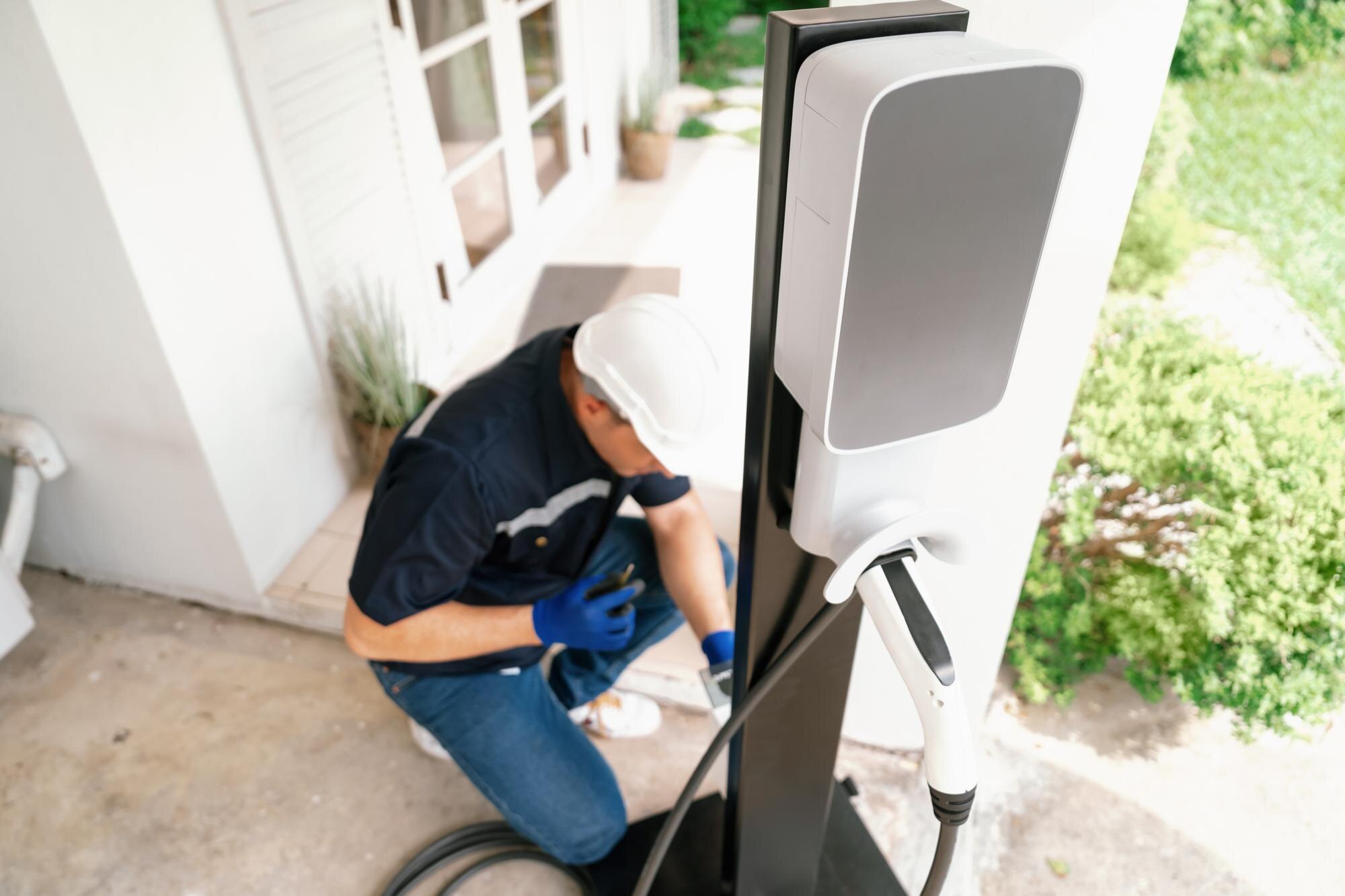
Selecting the right EV charger involves more than just picking a brand. You need to consider features and installation needs.
Smart EV Charger Features
Smart EV chargers offer advanced features that make charging convenient. These chargers connect to your home network, providing you with control over charging times and energy usage. This connectivity helps you make the most of off-peak electricity rates.
Moreover, smart chargers can integrate with other smart home systems, enhancing functionality. They allow you to monitor usage and diagnose issues remotely, bringing convenience and control to your fingertips.
Differences Between Single and Three-Phase Chargers
Understanding the difference between single-phase and three-phase chargers is crucial. Single-phase chargers are common in homes and provide sufficient power for most vehicles. They are simpler and often more cost-effective for domestic use.
Three-phase chargers, however, are more suitable for commercial EV charging stations. They deliver power more quickly and efficiently, making them ideal for businesses with multiple vehicles. Choosing the right type depends on your specific needs and setup.
Dynamic Load Balancing and PEN Fault Protection
Dynamic load balancing ensures your EV charger doesn’t overload your electrical system. It adjusts the charge rate based on your household’s energy consumption. This feature is vital for maintaining efficiency and preventing system strain.
PEN fault protection is another critical safety feature. It safeguards against potential electrical faults, ensuring the charger operates safely. Both features are key to a reliable and secure charging setup.
Installation Process and Support

The installation process is as important as the charger itself. A smooth, thorough process ensures long-term satisfaction.
Conducting the Site Survey and Load Assessment
Conducting a site survey is the first step in any installation. This assessment evaluates your electrical system’s capacity to support an EV charger. It’s about understanding your setup and planning accordingly.
Load assessment is crucial to prevent overloading your system. It’s about balance and ensuring your charger can work within your current electrical limits. This step is key to a safe and effective installation.
Navigating DNO Notifications and OZEV Grants
Navigating the necessary notifications and grants can be overwhelming. The Distribution Network Operator (DNO) notification is a must before installation. It’s about ensuring your local grid can handle the additional load.
OZEV grants can help reduce costs. These grants support homeowners and businesses in installing EV chargers. Understanding and applying for these grants can make installation more affordable.
Ensuring Proper Testing and Certification
The final step is testing and certification. This ensures that everything is working correctly and safely. Proper testing checks for faults and verifies compliance with regulations.
Certification provides peace of mind. It confirms that your installation meets all required standards. This step is the final seal of approval, ensuring your charger is ready for use.
By understanding these aspects, you ensure your EV charger installation is both safe and efficient. Whether you’re a homeowner or a business, these steps are essential to a successful setup. Trust Elex UK Ltd to guide you through the process, ensuring a reliable and compliant installation.