

Electrical Safety Checks for North London Properties: What Should Be Included?
April 4, 2026
Emergency lighting requirements for commercial and multi‑occupancy buildings in London: what landlords and managers must know
April 11, 2026Emergency Lighting Maintenance: What Every North London Commercial Property Needs to Know
Emergency Lighting Maintenance: What Every North London Commercial Property Needs to Know
Emergency lighting maintenance in North London commercial properties is more than a legal box to tick—it’s a critical safety measure that protects lives and businesses. Many property managers underestimate the strict requirements under BS 5266-1 and the Regulatory Reform (Fire Safety) Order 2005, risking costly fines and dangerous failures. This guide breaks down what you need to know about testing, documentation, and common faults to keep your premises safe and compliant.
Understanding Emergency Lighting Regulations
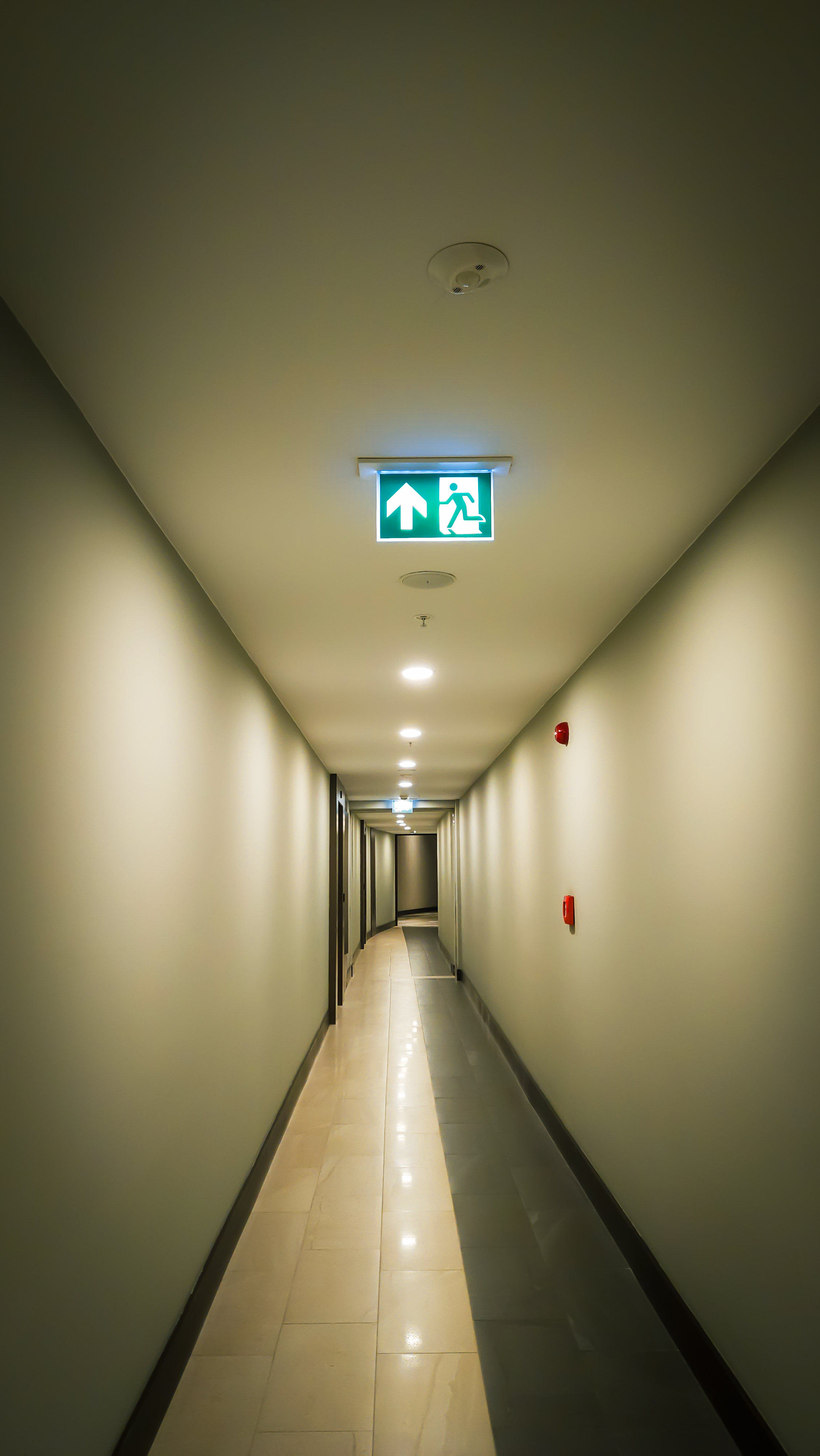
Navigating the requirements for emergency lighting is crucial for the safety of your property and its occupants. Let’s explore the key legal guidelines you need to be aware of.
Legal Duties Under BS 5266-1
The BS 5266-1 standard is designed to ensure your building’s emergency lighting is effective. It mandates specific lighting levels and installation practices. You must ensure all emergency lights are installed correctly in areas like corridors and exits. If you’re not familiar with the technical aspects, consulting a professional is essential. A NICEIC approved contractor can guide you through this process, ensuring compliance and peace of mind.
Fire Safety Order 2005 Essentials
The Regulatory Reform (Fire Safety) Order 2005 places the responsibility on you as the property manager to maintain fire safety systems. This includes regular inspections and testing of emergency lighting systems. The order requires a comprehensive risk assessment to identify potential hazards. Keep thorough records of all maintenance activities, as authorities may request these during inspections. Having a proactive approach will help you avoid any legal complications and ensure safety.
Importance of Compliance for Safety
Compliance isn’t just about avoiding penalties; it’s about protecting lives. Effective emergency lighting provides clear and illuminated paths during an evacuation. This is crucial in emergencies where visibility is compromised. Non-compliance can lead to dangerous situations and legal liabilities. Regular maintenance and adherence to standards will ensure that your building remains a safe environment for everyone.
Testing and Documentation Essentials
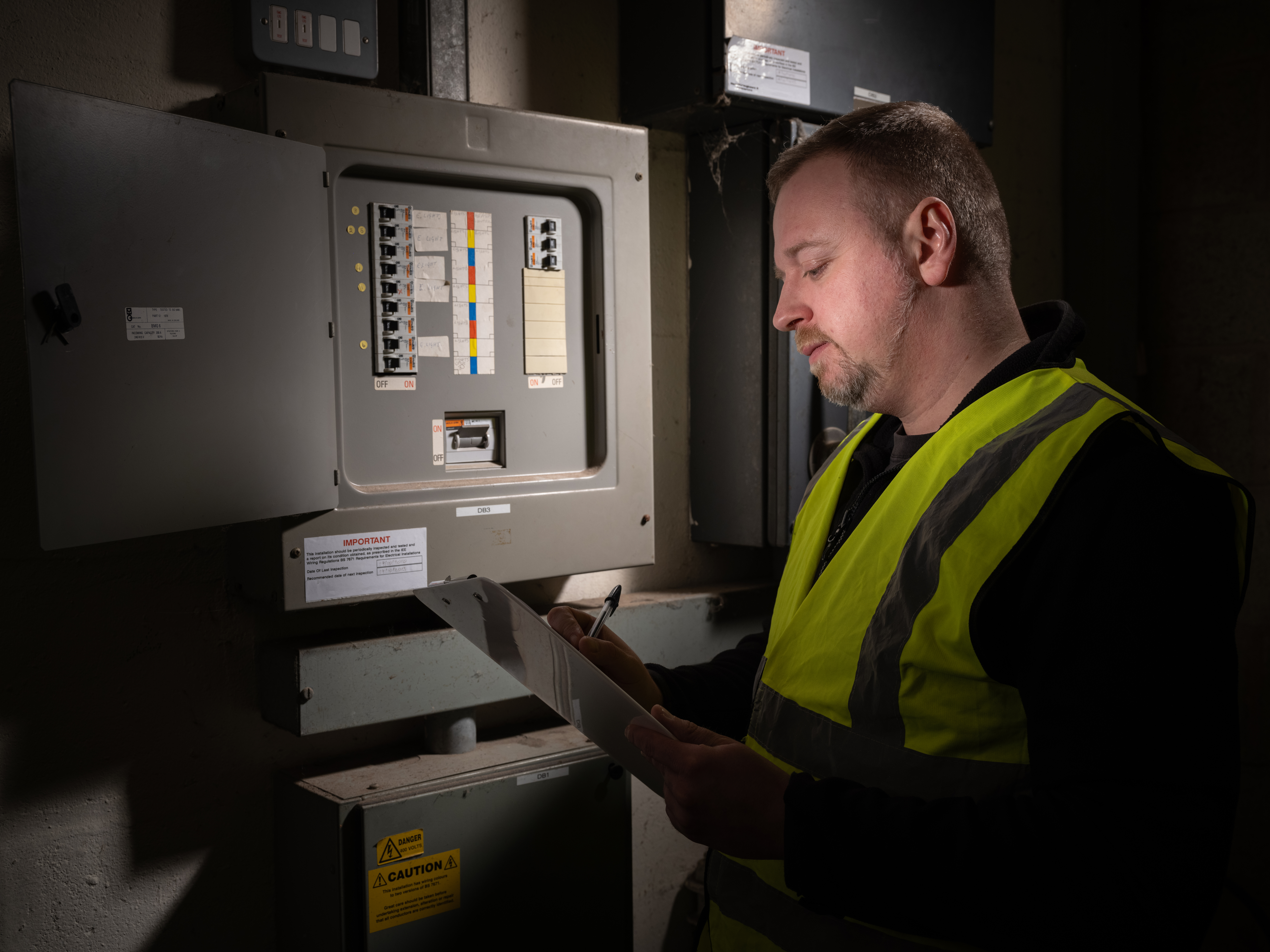
Proper testing and documentation are key to maintaining effective emergency lighting. Here’s what you need to know to keep your system in top condition.
Monthly Function Test Procedures
Monthly function tests are quick checks to ensure all emergency lights are operational. During these tests, switch off the mains power to simulate a power failure. Observe if the emergency lights come on and function correctly. This ensures that batteries and lamps are in working order. Keeping a logbook of these tests is vital. Note any issues and address them promptly to prevent potential failures.
Annual 3 Hour Duration Test Protocols
The annual 3-hour test is more comprehensive. It involves leaving the emergency lights on for a full 3 hours to check battery endurance. This test verifies that the system can handle a prolonged emergency. Document the results in your emergency lighting logbook, noting any failures or maintenance performed. Conducting this test demonstrates your commitment to fire safety compliance and the well-being of your building’s occupants.
Maintaining an Emergency Lighting Logbook
Your logbook is a crucial tool in managing emergency lighting maintenance. It records all tests, inspections, and repairs. This documentation is not only useful for compliance checks but also helps in managing future maintenance. Keep the logbook updated and easily accessible. It serves as proof of your diligence in maintaining a safe environment and can be invaluable during audits.
Common Faults and Upgrades
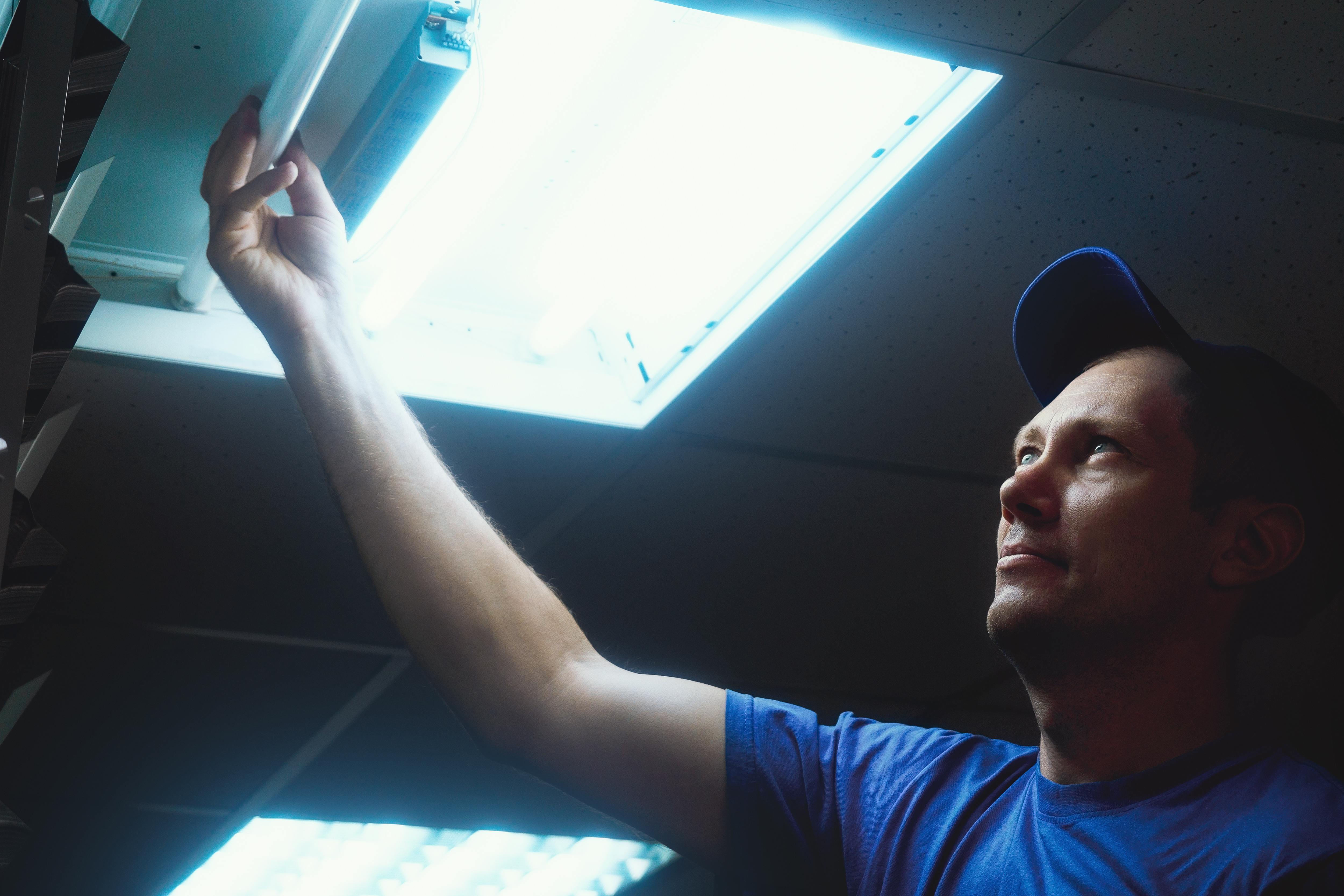
Identifying and addressing common faults in emergency lighting can prevent larger issues. Let’s explore some key areas to focus on.
Identifying Emergency Lighting Remedials
Common remedials include faulty batteries, damaged bulbs, and wiring issues. Regular testing helps identify these problems early. If you notice flickering lights or dim illumination, these may be signs of underlying issues. Address these promptly to maintain your system’s reliability. Engaging a professional for regular inspections can prevent these issues from escalating.
Benefits of LED Emergency Lighting Upgrade
Upgrading to LED emergency lighting offers numerous advantages. LEDs are more energy-efficient and have a longer lifespan than traditional bulbs. They provide consistent illumination, which is crucial during emergencies. The initial investment in LEDs can lead to long-term savings on maintenance and energy costs. Consider upgrading your system to enhance both safety and efficiency.
Ensuring Effective Escape Route Lighting
Escape route lighting is vital for safe evacuations. These lights must remain operational and provide clear guidance during emergencies. Regular checks and maintenance ensure they function correctly when needed most. Using LED lights for escape routes can enhance visibility and reliability. Prioritise the maintenance of these lights to guarantee a safe and efficient evacuation process.
By understanding and implementing these emergency lighting essentials, you ensure the safety and compliance of your North London commercial property. Regular maintenance and upgrades will protect your investment and provide peace of mind. Remember, safety isn’t just a requirement; it’s a responsibility.