
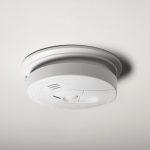
Wireless Fire Alarms in North London: Faster, Compliant Protection with Minimal Disruption
February 25, 20262026 Home Automation Trends Transforming North London Homes
March 6, 2026From Red Flags to Green Ticks: Emergency Lighting Compliance Case Studies Across North London
From Red Flags to Green Ticks: Emergency Lighting Compliance Case Studies Across North London
Many North London businesses struggle to meet emergency lighting standards, risking costly fire safety audits and unsafe premises. At Elex UK Ltd, we have helped numerous companies move from failing inspections to full BS 5266-1 compliance with tailored lighting solutions. In this post, you’ll see real examples of commercial emergency lighting installations that passed the Regulatory Reform (Fire Safety) Order 2005 requirements first time. Ready to get audit-ready? Keep reading to learn how we made it happen.
Ensuring Compliance with BS 5266-1
Meeting emergency lighting standards is crucial for maintaining safe premises and passing fire safety audits. Let’s explore how understanding and designing solutions can lead to compliance.
Understanding BS 5266-1 Standards
To start, knowing the BS 5266-1 standards is essential. These standards ensure that buildings have sufficient lighting to allow safe exit in emergencies. They cover various aspects, including the type and placement of lights, to ensure visibility during a power outage.
The standards are not just guidelines; they are part of a legal framework. Failing to comply can mean hefty fines and unsafe conditions. Most people think these regulations are complex, but focusing on key requirements can simplify your approach.
You might wonder: How can you ensure compliance? First, assess your current setup. Consider the number of lights, their placement, and whether they function during a power cut. It’s important to use lights with battery backups that activate automatically.
Designing Emergency Lighting Solutions
Designing effective lighting solutions involves more than just installing lights. It’s about creating a system that enhances safety and meets all regulatory requirements. This process begins with a thorough assessment of your building’s needs.
A tailored design considers factors like building layout and occupancy levels. For instance, a high-traffic area might need more lights than a storage room. By focusing on these details, you can create a system that ensures safety and compliance.
One key step is selecting the right fixtures. Whether it’s exit signage or escape route lighting, each element plays a critical role. Also, integrating your lighting with fire alarms can enhance safety by providing clear exit paths during an emergency.
Real-World Case Studies from North London
Let’s look at actual case studies from North London, where Elex UK Ltd helped transform businesses from red flags to compliance.
Palmers Green Compliance Success
In Palmers Green, a local business faced challenges with outdated lighting systems. Their existing setup failed to meet the necessary standards, posing risks during audits and emergencies.
Elex UK Ltd stepped in with a comprehensive solution. Our team conducted a detailed survey and identified key areas for improvement. We then installed a new system, ensuring all lights had reliable battery backups.
The result? The business passed its next fire safety audit with flying colours. This case is a testament to the power of customised solutions. It shows how addressing specific needs can lead to successful outcomes and peace of mind.
Enfield Emergency Lighting Upgrade
In Enfield, another business sought to upgrade its emergency lighting. Their goal was to enhance safety and ensure compliance with the latest regulations.
Our team started by evaluating the current system. We found several gaps, including insufficient lighting in critical areas. To address this, we designed a solution that included state-of-the-art self-test luminaires.
Installing these lights improved safety and compliance. The business now has a system that self-tests, reducing maintenance needs and ensuring reliability. This upgrade highlights the importance of technology in creating effective solutions.
Long-Term Safety and Maintenance
Once your system is in place, maintaining it is key to long-term safety. Let’s explore the importance of regular testing and the benefits of maintenance contracts.
Importance of Regular Emergency Light Testing
Regular testing of emergency lights is vital. It ensures that your system functions correctly and remains compliant with safety standards. Without testing, you risk lights failing when you need them most.
Testing involves checking battery backup and light functionality. Conducting these tests periodically can prevent failures during emergencies. It also helps identify and fix issues before they become significant problems.
Neglecting testing can lead to non-compliance and increased risks. Most people think once installed, lights need minimal attention, but regular checks are crucial. They provide assurance that your system is ready to perform when it counts.
Benefits of Emergency Lighting Maintenance Contracts
Maintenance contracts offer peace of mind by ensuring your system is always ready. They provide scheduled checks and prompt repairs, keeping your lights in top condition.
With a contract, you benefit from expert oversight. Our team handles all aspects, from testing to repairs, ensuring compliance and safety. This proactive approach reduces the risk of failures and extends the life of your system.
Choosing a maintenance contract means fewer worries about inspections and emergencies. It’s an investment in safety and reliability. The longer you wait to secure a contract, the higher the risk of facing non-compliance issues. Consider making this step today to ensure your building remains safe and audit-ready.
Each section of this post showcases how Elex UK Ltd stands ready to support North London businesses. By understanding standards, designing tailored solutions, and maintaining systems, we help ensure safety and compliance for our community.