

Electrical Compliance in North London: A Practical Guide for Homes, Businesses, and Landlords
February 16, 2026
Emerging Trends in Home Automation: What North London Homeowners Should Know in 2026
February 23, 2026Commercial Electrical Safety in North London: A Practical Guide for Property Managers
Commercial Electrical Safety in North London: A Practical Guide for Property Managers
Many commercial property managers in North London underestimate the complexity of electrical safety compliance until problems arise. Ignoring regular EICR testing and emergency lighting checks can lead to costly penalties and risks for tenants. In this guide, you’ll find clear steps to meet legal duties and maintain safe premises with support from a trusted NICEIC-approved contractor in Palmers Green.
Understanding Electrical Safety Regulations
Navigating the world of electrical safety regulations can feel overwhelming. But understanding these rules is crucial for keeping your property safe and compliant.
Legal Duties and Compliance
Your first responsibility is to know your legal duties. As a property manager, you must ensure your building meets safety standards. This includes regular inspections and updates. The Electricity at Work Regulations 1989 outlines these duties. It requires that all electrical installations are maintained and safe to prevent danger. Ignoring these can lead to serious legal consequences and safety risks.
Key Aspects of BS 7671 Compliance
BS 7671, also known as the IET Wiring Regulations, sets the standards for electrical installations in the UK. Compliance with BS 7671 is crucial. It covers everything from installation design to testing. You should ensure your property’s wiring systems are up to date with these standards. Regular checks ensure that installations are safe and efficient. This not only protects your tenants but also safeguards your reputation as a responsible manager.
Electricity at Work Regulations 1989
The Electricity at Work Regulations 1989 is a key piece of legislation. It mandates the safe use of electricity in the workplace. For commercial properties, this means ensuring all electrical systems are properly maintained and inspected. Regular testing and documentation are necessary. This helps prevent accidents and ensures compliance. Remember, safety is not just about meeting legal requirements; it’s about protecting lives.
Practical Safety Strategies

Understanding regulations is one thing—putting them into practice is another. Here are some strategies to ensure your property remains compliant and safe.
EICR Testing and Certification
EICR stands for Electrical Installation Condition Report. It’s a vital part of your safety strategy. Regular EICR testing and certification are essential for identifying potential hazards. An EICR assesses the safety of your electrical installations. It checks for defects, deterioration, or damage that could pose safety risks. Scheduling regular checks can help you catch issues before they escalate. This proactive approach not only keeps your property safe but can also save you from costly repairs or legal issues.
Emergency Lighting Compliance
Emergency lighting compliance is not just a legal requirement—it’s a moral one. In emergencies, such as a fire, these lights guide occupants to safety. Emergency lighting systems must be regularly tested and maintained. This involves checking that lights function during a power outage and that batteries are fully charged. Consistent maintenance ensures that your system works when it’s needed most, providing peace of mind for you and safety for your tenants.
Planned Preventive Maintenance
Planned preventive maintenance involves regular checks and updates to your electrical systems. This approach is crucial for long-term safety and efficiency. By scheduling routine inspections, you can identify and address potential issues early. This includes checks on wiring, appliances, and other installations. Regular maintenance helps prevent unexpected breakdowns and ensures compliance with safety standards. It’s an investment in your property’s future safety and reliability.
Choosing the Right Contractor
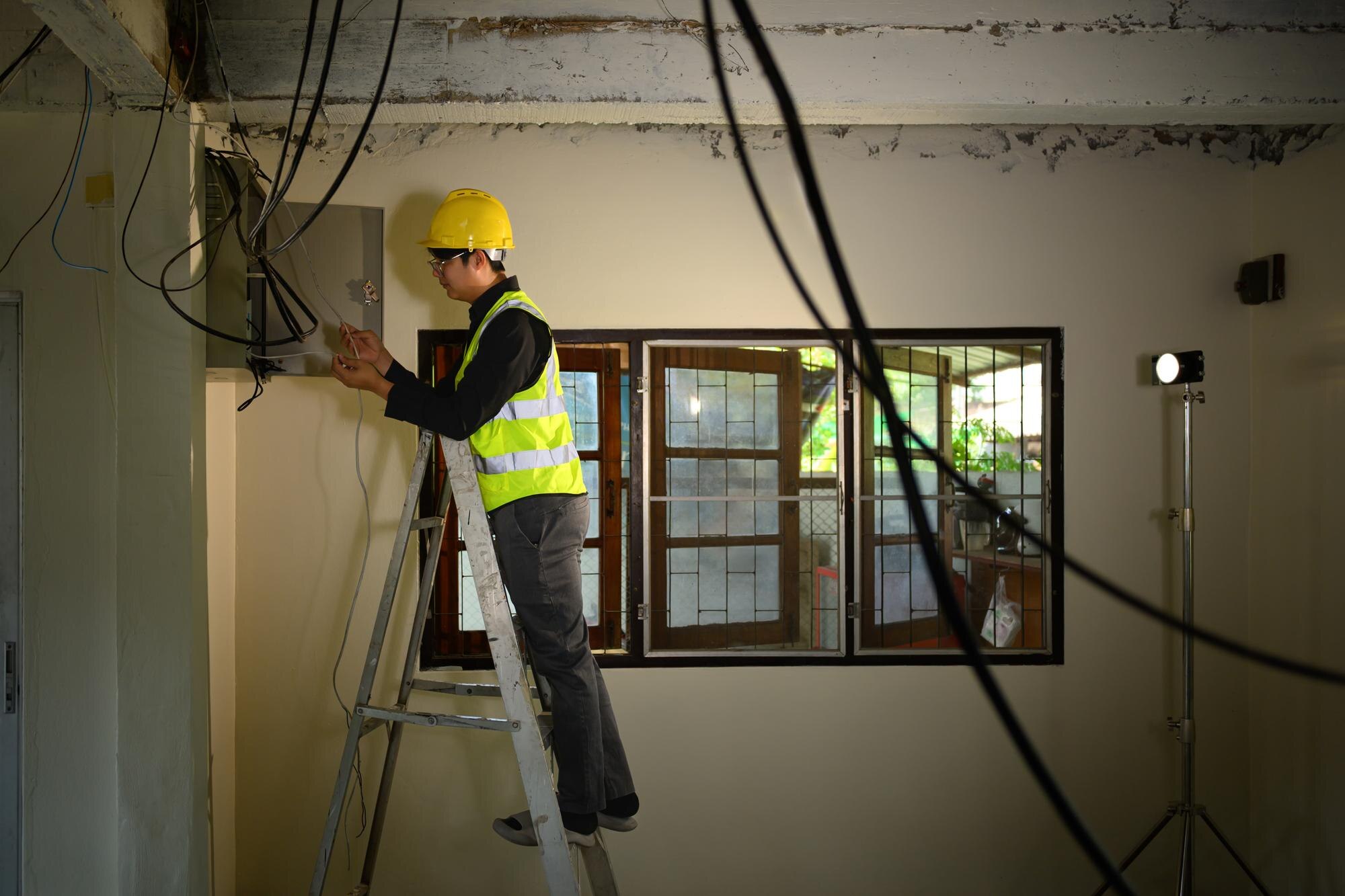
Finding the right contractor is essential for maintaining your property’s safety standards. Here’s how to choose wisely.
Benefits of a NICEIC-Approved Contractor
Hiring a NICEIC-approved contractor ensures top-quality service. These contractors are recognized for their expertise and adherence to safety standards. They provide peace of mind, knowing your installations meet national safety regulations. Choosing a NICEIC-approved professional means you’re working with someone who is qualified and reliable. This is crucial for maintaining the safety and compliance of your property.
Comprehensive Electrical Services
A good contractor offers more than just basic services. Look for someone who provides a comprehensive range of solutions. This includes everything from PAT testing and RCD protection testing to earthing and bonding checks. A contractor who can handle diverse needs offers convenience and ensures all aspects of your electrical systems are covered. This comprehensive approach helps keep your property in top condition.
Scheduling a No-Obligation Site Visit
Finally, consider scheduling a no-obligation site visit. This allows you to assess a contractor’s expertise firsthand. During the visit, they can evaluate your property’s needs and provide tailored recommendations. This is a valuable opportunity to understand the specific requirements of your site. A site visit helps you make informed decisions and ensures you choose the best partner for maintaining your property’s electrical safety.
By understanding your legal duties, implementing practical strategies, and choosing the right contractor, you can ensure your property remains safe and compliant. Prioritising these steps protects your tenants and your reputation.